



History of action “Education, entrepreneurship and cultural heritage”
Innovative Initiative Education, Entrepreneurship And Culture (english Version)
“These stones that sink into the years — where will they carry me?”
George Seferis, Mythistorema (1933–1934)
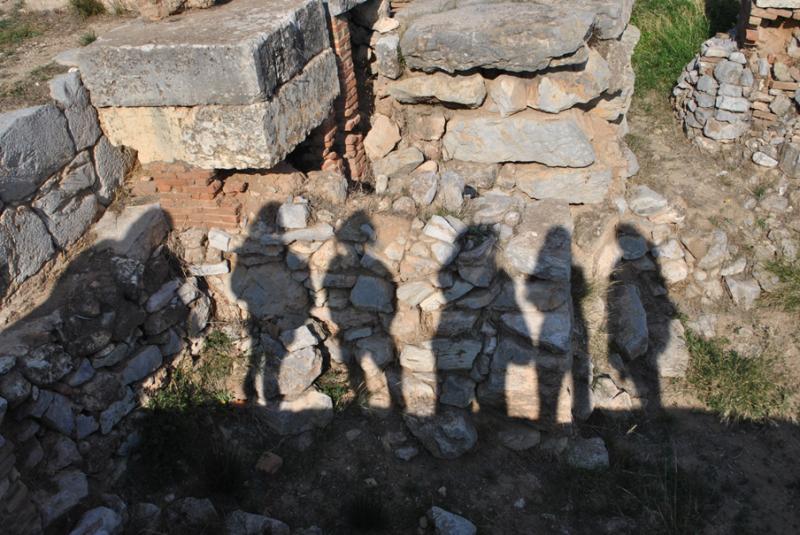
Scientific Team
Dr. Vasiliki Brinia, George Tziros (Economist, award-winning educator in youth entrepreneurship), Archaeologists of the Hellenic Ministry of Culture
The Innovative Initiative “Education, Entrepreneurship and Culture”
The Initiative “Education, Entrepreneurship and Culture” is an innovative, interdisciplinary educational project of the Athens University of Economics and Business (AUEB). It forges an organic connection between higher education, contemporary cultural policy, sustainable development, and entrepreneurial thinking. It is grounded in the fundamental premise that culture is not merely an element of identity and collective memory, but also a dynamic development resource with a strong educational, social, and economic impact.
Innovation and Scientific Framework
The innovative character of the Initiative lies in the systematic integration of cultural heritage into the design of educational and entrepreneurial practices, through the principles of holistic cultural heritage management, the experience economy, and the creative economy. This approach is firmly rooted in contemporary international scientific trends and policy frameworks (UNESCO, the Council of Europe, and the European Union), which recognize cultural heritage as a key driver of sustainable development, social cohesion, and innovation.
Students are encouraged to approach monuments, archaeological sites, and cultural landscapes not as static objects of study, but as living ecosystems capable of supporting educational interventions, cultural actions, and realistic entrepreneurial projects with a clear social and developmental orientation.
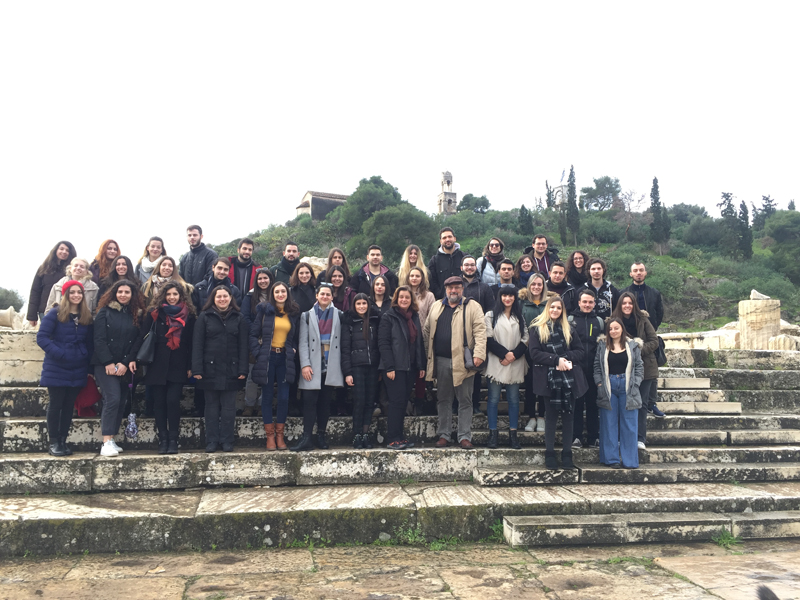
Alignment with the Strategic Vision of AUEB
The Initiative is fully aligned with the strategic vision of the Athens University of Economics and Business for excellence, extroversion, and innovation in teaching and learning. It strengthens the connection between theory and practice, promotes experiential and self-directed learning, and cultivates skills that are critical for future educators and professionals, such as critical thinking, creativity, collaboration, leadership, and social responsibility.
Scientific Foundations of the Initiative
The Initiative was inspired by an article by James Gilmore published in the Harvard Business Review (1998) and by the book The Experience Economy: Work Is Theatre & Every Business a Stage (1999) by B. Joseph Pine. The central idea underpinning this innovative approach to entrepreneurship and its connection with the education of future teachers of Economics and Informatics—and, by extension, secondary education—is the internationally observed transition from the economy of goods and services to the experience economy.
As Pine emphasizes, every organization is a stage, employees are performers, and work is a form of theatrical act. In contemporary society, the consumer no longer simply acquires a product or a service, but rather an unforgettable experience. The product itself becomes the experience and the memory it creates. Consequently, consumer spending increasingly represents an investment in memories.
A defining feature of the experience economy is the growing desire for intangible goods, such as the experience of traveling to an inspiring destination. This reflects the increasing amount of time people devote to what sociologists describe as the “third place”—spaces beyond home and work. Archaeological sites and monuments inherently constitute powerful clusters of such “third places,” offering intense and meaningful experiences.
Accordingly, the synergies that can be developed between the Programme of Studies in Education Sciences at the Athens University of Economics and Business and the Ministry of Culture aim at the innovative introduction of entrepreneurship into secondary education through the utilization of Greece’s cultural heritage. This process begins at the university level, with the design of projects in which groups of future educators develop original entrepreneurial proposals for archaeological sites, combining educational innovation with entrepreneurial planning. The ultimate goal is to formulate proposals that enable the sustainable and viable development of culturally significant areas.
This innovative approach represents “another perspective” on the introduction of entrepreneurship in higher education—and, by extension, in secondary education—as well as in the education of future teachers.
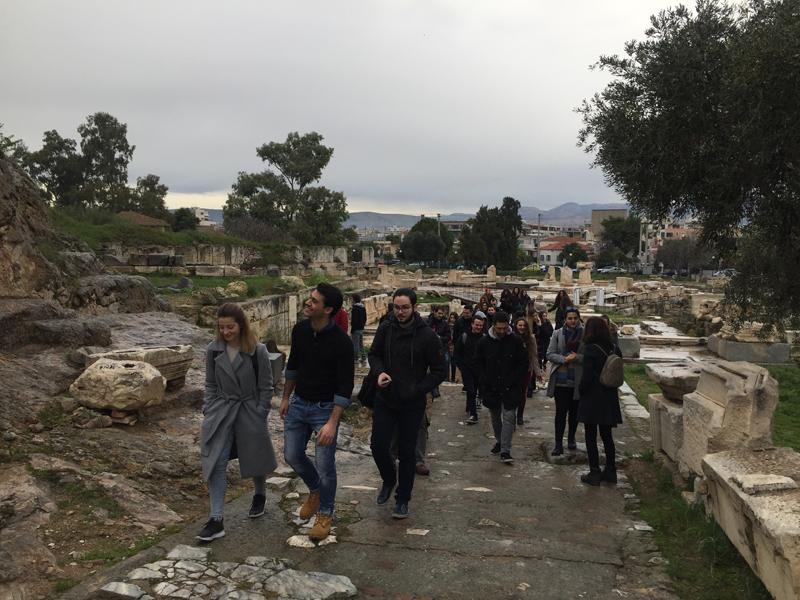
Institutional and Scientific Collaborations
Within its renewed framework, the Initiative is implemented in cooperation with the Hellenic Ministry of Culture, strengthening its institutional legitimacy and its connection with contemporary national cultural policy for the protection, enhancement, and sustainable utilization of cultural heritage. At the same time, collaborations continue and are further developed with innovative structures of AUEB, such as ACEin and the Innovation and Entrepreneurship Unit, as well as with scientific and educational bodies of secondary education.
These synergies shape a multi-level educational and research ecosystem, where academic knowledge meets the needs of society and cultural governance.
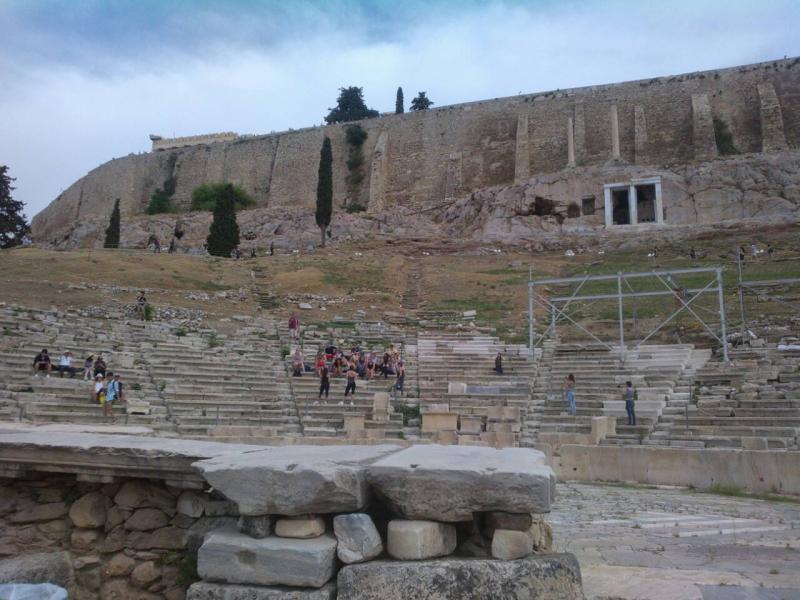
Educational Methodology
The Initiative is based on group-centered, experiential, and human-centered teaching methods. Students work on real or realistic scenarios of cultural heritage management, designing integrated entrepreneurial and strategic plans for monuments, museums, and cultural routes. The methodology follows a spiral structure, combining theoretical documentation, empirical research, and practical application.
“The ancient Greeks called ‘culture’ paideia, linking it to the holistic cultivation of the human personality through engagement with all forms of art. Today, classical studies remain essential, first and foremost for their content—for the values, concepts, and messages created by ancient Greek thought. These elements, recorded in classical texts, formed the foundation of European civilization and continue to help us seek the deeper essence and value of the human being. At the same time, they enable us to confront today’s humanitarian crises with Greek humanism, drawing from ancient culture an anthropocentric perspective grounded not in individualism, but in harmonious cooperation and social integration.”
George Babiniotis, Professor of Linguistics, National and Kapodistrian University of Athens
Educational and Social Impact
The learning outcomes of the Initiative demonstrate its substantial contribution to the development of active, socially aware, and innovative future educators. Through direct engagement with culture, students develop a deeper understanding of the value of monuments, cultivate skills of cultural mediation, and acquire tools for integrating the cultural dimension into the teaching of Economics and Informatics.
At the same time, the Initiative generates multiplier effects for society, contributing to public dialogue on sustainable cultural development and highlighting the role of the University as an active institutional partner in the field of culture.

Why the Initiative Is Innovative
-
Integration of education, culture, and entrepreneurship: The Initiative transcends traditional disciplinary boundaries, linking educational science with cultural policy and contemporary entrepreneurial thinking.
-
Holistic approach to cultural heritage: Monuments and archaeological sites are approached as living ecosystems of learning, social participation, and sustainable development.
-
Incorporation of the experience economy into education: The Initiative draws on modern theories that shift the focus from products to experiences, enhancing the educational and cultural value of students’ proposals.
-
Experiential and self-directed learning: Students engage with realistic scenarios of cultural management and entrepreneurial design, cultivating research, collaboration, leadership, and innovation skills.
-
Institutional alignment with contemporary cultural policy: Cooperation with the Ministry of Culture reinforces the institutional credibility of the Initiative and its alignment with national and European cultural strategies.
-
Multi-level synergies: Collaboration with university units and educational and scientific bodies creates a dynamic network of knowledge and applied practice.
-
Transferability and dissemination of innovation: The Initiative serves as a model that can be transferred and applied both in secondary education and in other educational and cultural contexts.
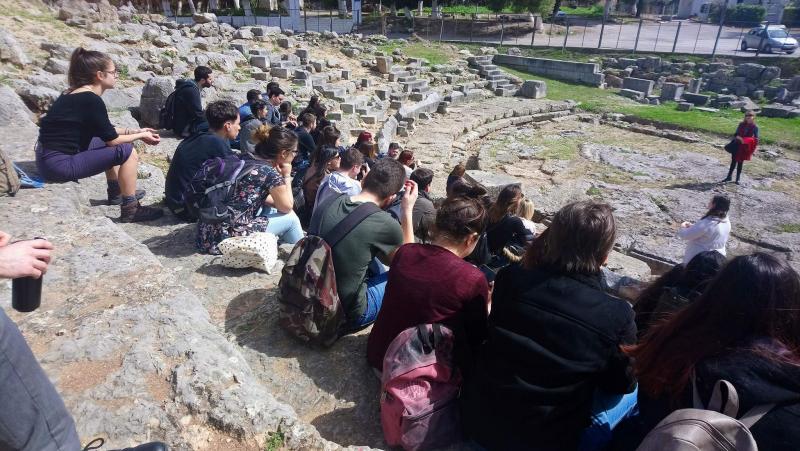
A Living Example of University Innovation
The Initiative “Education, Entrepreneurship and Culture” constitutes a living example of university innovation, where education meets culture and entrepreneurship through scientific rigor, social responsibility, and a vision for a sustainable future.
“Always to excel and to surpass others, and never to disgrace the lineage of one’s ancestors.”
Homer, Iliad, Book VI, 208

 76 Patission Str.